
Timber has long been one of the most trusted materials in construction and design, valued for its strength, versatility, and natural aesthetic. Today, however, the conversation has evolved beyond performance alone. Increasingly, the focus is on how responsibly materials are sourced, and sustainably sourced timber represents a more forward-thinking approach—one that balances durability with environmental responsibility.
What Are Managed Forests?
In a managed forest, forestry professionals closely monitor tree growth, species diversity, soil health, and surrounding ecosystems to maintain long-term productivity. Harvesting is not random; it is strategically planned, with mature trees selected and removed using methods designed to minimize impact on the surrounding environment. Once harvesting is completed, the process continues with replanting or natural regeneration, allowing the forest to recover and grow over time.
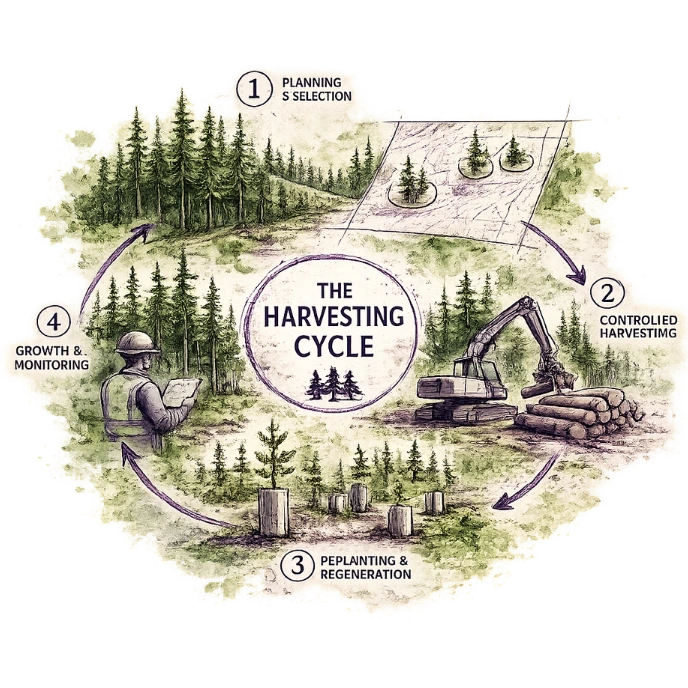
The Sustainable
Harvesting cycle
Timber harvesting follows a continuous cycle of planning, controlled cutting, and regeneration. Trees are selected based on maturity and environmental considerations, then harvested using techniques that reduce damage to surrounding vegetation. Afterward, forests are replanted or allowed to regenerate naturally, ensuring that the land remains productive and forests continue to thrive for future generations.
Modern
Harvesting Practices
Modern timber harvesting combines efficiency with sustainability. Advanced machinery and improved logging techniques help reduce waste, protect soil structure, and preserve nearby vegetation. Selective harvesting ensures that only specific trees are removed, maintaining the overall integrity of the forest while delivering consistent, high-quality timber for construction and manufacturing.
Environmental
Impact
When managed responsibly, forestry can deliver meaningful environmental benefits. Growing forests absorb carbon dioxide, helping to mitigate climate change, while continuous replanting ensures a steady and renewable supply of timber. Responsible forestry also reduces pressure on natural forests and supports biodiversity by maintaining stable ecosystems.
Why its
Matters
For regions like the Maldives, where timber is imported and ecosystems are particularly sensitive, sourcing from managed forests ensures materials come from regulated, ethical supply chains. This is increasingly important for resort developments, large-scale construction, and businesses aligning with sustainability standards and responsible practices.
Responsibility
Beyond the Forest
Sustainability does not end at harvesting. It extends through processing, transportation, and proper application in construction. Choosing the right timber, using it correctly, and maintaining it over time are all essential parts of responsible building.
Build Strong.
Build Smart.
Build Responsibly.
Managed forests and responsible timber harvesting demonstrate that it is possible to meet demand while preserving the environment. Timber, when sourced from these systems, becomes part of a regenerative cycle—supporting both construction needs and long-term sustainability.
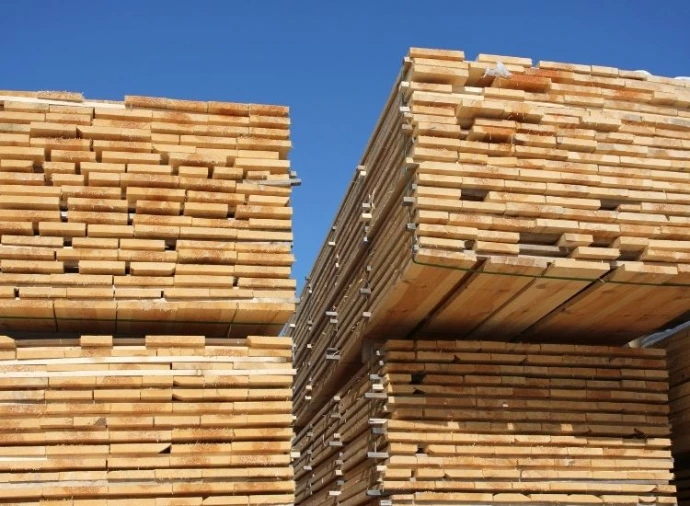
Start Your Next Build with Confidence
Strong, reliable, and ready for real work—Southern Yellow Pine planks are the smart choice for construction and carpentry projects that demand performance without compromise. Whether you're framing, fabricating, or finishing interiors, this is timber you can trust on every cut.